


Thank you for Subscribing to Electrical Business Review Weekly Brief

Green Leaf Construction
Andrea M. Healy, Director of Human Resources and Compliance
My Journey in Human Resources, Compliance and Helping People Reach their Potential
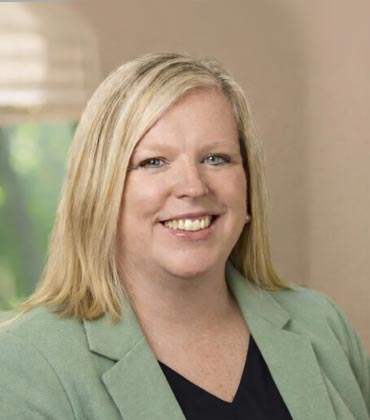
Andrea M. Healy
My journey into human resources did not begin in a boardroom. It began through people. Through listening, learning, observing workplace dynamics and realizing very early on that the success of any organization is deeply connected to how it treats, develops and believes in its employees. Over the years, I have had the privilege of working across the construction, banking and electrical industries, helping organizations navigate growth, compliance, culture and change while never losing sight of the human side of business.
I started my career in construction administration and electrical purchasing, which gave me a strong operational foundation and an appreciation for the people working in the field every day. As my career evolved into human resources leadership, I learned that the best HR leaders are not disconnected policy writers sitting behind closed doors. They are visible, approachable and willing to spend time understanding the realities employees face. That philosophy has shaped my leadership approach throughout my career. I have always believed that people perform at their highest level when they feel valued, respected and empowered. Whether I was helping reduce turnover, creating development programs, mentoring future leaders or building recognition initiatives, my focus has consistently been centered around helping individuals see potential in themselves that they may not yet recognize. Some of the most rewarding moments in my career have come from watching employees grow into leadership roles they once doubted they could achieve. My fondest memory is of an employee who I hired as an intern at a construction company who was majoring in architecture. She had done a couple rounds as an intern there and shortly after I left, she called me and said, “they said I can’t intern this season and now it’s too late for me to find something else.” At that time, I was in banking and offered her a teller role to which she quickly accepted. She ended up in residential lending at that bank and now she is a Manager at another bank and thriving! At the same time, compliance has become an increasingly critical component of organizational success. Many people view compliance as restrictive or punitive, but I see it differently. Compliance, when approached correctly, creates structure, consistency, fairness and protection, not only for the organization, but for employees themselves. In industries like construction, where safety, legal obligations and operational risk are significant, compliance and culture cannot operate separately. They must work together. Balancing regulatory compliance with building a positive workplace culture requires intentional leadership. Employees want accountability, but they also want to know the “why” behind policies and expectations. In the construction industry especially, HR leaders have to build trust and credibility with both field teams and office staff. That means communicating clearly, remaining visible and ensuring policies are practical and realistic for the environments employees actually work in. Culture is not built through slogans on a wall; it is built through consistency, fairness, follow-through and genuine care for people.Organizations that thrive are the ones that recognize employees are not simply resources, they are the driving force behind innovation, productivity, reputation and customer relationships.
The articles from these contributors are based on their personal expertise and viewpoints, and do not necessarily reflect the opinions of their employers or affiliated organizations.
