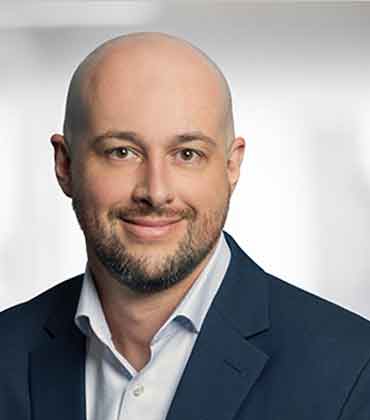
Danilo Hecht
Industrial Modernization AuthorityDanilo Hecht brings extensive global experience in power generation and oil and gas, with a career spanning field service, controls engineering, and engineering management. He has contributed to the delivery of gas compressor, wind, steam and gas turbine solutions worldwide, with deep expertise in the modernization of advanced control systems across complex industrial applications.
Modernization Starts with Understanding the Existing System
Industrial electrical modernization is often approached as a technology challenge, but successful modernization depends on more than replacing aging hardware or adding new software. Experience across controls engineering, field service, turbine and compressor control systems and global outage execution has shown me that modernization is ultimately about reliability, disciplined execution and people.
Industrial facilities rarely operate from a clean sheet. Legacy equipment, multiple generations of controls, site-specific modifications and operating practices can accumulate over decades. That makes modernization less about replacing everything at once and more about understanding what is already installed, identifying where risk is concentrated and determining which improvements will deliver the greatest value.
Start with the Installed Base
A credible modernization effort begins with a clear assessment of the existing systems. Engineering teams need to understand which assets carry the greatest production or safety risk, which systems are approaching obsolescence, where single points of failure exist and where better data acquisition could improve decision-making.
Modernization is not just about new technology. It is about defining clear goals that improve reliability, efficiency, safety, and long-term operational performance.
Field knowledge is an important part of that assessment. Operators and technicians often understand machine behavior in ways that drawings and databases cannot fully capture. Combining that experience with condition monitoring, operating history, root-cause analysis and lifecycle planning creates a stronger basis for modernization decisions.
The objective is not to replace technology for its own sake, but to target upgrades that reduce risk, improve reliability and performance, and create a foundation for future capability.
Bring Discipline to Controls Modernization
Controls modernization provides a clear example. Upgrading turbine, compressor or auxiliary-system controls can improve diagnostics, reliability, maintainability, standards alignment and access to technical support. Those benefits depend on disciplined engineering integration.
Modernization teams need to consider interfaces with protection systems, instrumentation, communications architecture, operator workflows, commissioning requirements and contingency plans. A sophisticated control platform can still fall short if it introduces unnecessary complexity or does not fit the conditions of the site.
Reliability should remain the standard for evaluating new technology. Digital systems, remote support and analytics can help identify abnormal conditions earlier, shorten troubleshooting and support better maintenance decisions. Their value comes from strengthening engineering judgment, not replacing it.
Align the Teams behind the Upgrade
Modernization also extends beyond engineering. Operations, maintenance, field service, manufacturing, project management, supply chain, cybersecurity and commercial teams can all influence whether an upgrade succeeds.
When these groups become involved only after technical decisions have been made, projects can encounter scope changes, schedule pressure and resistance in the field. Stronger programs bring stakeholders into the process early, establish clear success criteria and define ownership from planning through commissioning and long-term support.
The workforce dimension deserves the same attention. Experienced engineers and technicians carry knowledge that can be difficult to replace when they retire. Preserving that institutional knowledge while developing the next generation requires intentional onboarding, mentoring, technical training, documented lessons learned and field exposure.
In industrial environments, technical competence is developed through hands-on experience, real equipment and disciplined problem-solving.
Turn Experience into the Next Upgrade
Modernization should not end when an upgrade is commissioned. Every outage, commissioning effort, technical issue and customer interaction creates information that can improve future decisions.
Strong feedback loops between field service, engineering, operations and leadership help turn that experience into better planning and more reliable systems. After a major event, an important question is what was learned and how that knowledge should influence the next upgrade or outage plan.
That approach makes modernization an ongoing discipline rather than a periodic response to aging equipment.
As the electrical industry evolves, its systems must become easier to connect with, more responsive to change, and better prepared to interact with other systems and solutions. Success will depend not only on new hardware and software, but on aligning innovation with reliability, turning data into informed decisions, and empowering engineering teams to deliver safely and effectively.
Modernization is not just about new technology. It is about defining clear goals that improve reliability, efficiency, safety, and long-term operational performance.




