


Thank you for Subscribing to Electrical Business Review Weekly Brief

A Caterpillar Company
Hez Brown, Director, Process Engineering & Maintenance, Progress Rail
Building Resilient Operations: A Modern Approach to Engineering Leadership in Heavy Manufacturing
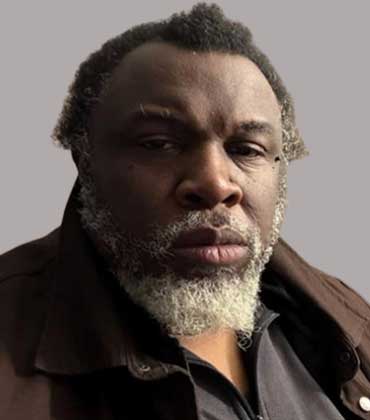
Hez Brown
In today’s rapidly evolving industrial landscape, effective leadership in process engineering and maintenance requires more than technical expertise. It demands adaptability, cultural awareness and a relentless focus on continuous improvement. For leaders operating in complex environments like rail and heavy manufacturing, success is often shaped by experiences that extend far beyond the factory floor.
One of the most defining influences on my leadership approach came from my time working across the Middle East and Northern Africa. Operating in diverse and often high-pressure environments, I had the opportunity to collaborate with teams that consistently demonstrated resilience, ingenuity and professionalism under challenging conditions. Resources were not always abundant, and situations could escalate quickly, yet these teams maintained focus and composure while delivering results. That experience left a lasting impression on me. It reinforced the idea that strong leadership is not just about systems and processes; it’s about people. It’s about understanding how to navigate different cultures, build trust quickly and empower teams to perform at a high level regardless of the circumstances. Today, I carry those lessons forward by prioritizing adaptability, clear communication and respect for the diverse perspectives that strengthen any organization. As I transitioned into leading process engineering and maintenance functions, one of the most critical challenges I encountered was balancing process optimization with equipment reliability. In theory, both should move in lockstep. Pushing too aggressively in one direction can create risk in the other. The key is establishing a strong operational foundation before pursuing aggressive optimization. That’s why we’ve placed a significant emphasis on implementing 5S across our operations. While often viewed as a basic Lean tool, 5S is far more than workplace organization; it’s about creating discipline, consistency and visibility. By standardizing the work environment, we reduce variability, improve safety and make it easier to identify abnormalities before they become failures. This foundational work sets the stage for more advanced continuous improvement efforts, allowing us to scale Lean, Six Sigma and Total Productive Maintenance (TPM) initiatives sustainably. Once that baseline is established, optimization and reliability no longer compete. They reinforce each other. Well-maintained equipment performs more consistently, and optimized processes reduce unnecessary strain on assets. The result is a more stable and efficient operation that can respond effectively to both internal demands and external pressures. Looking ahead, one of the most significant trends shaping maintenance and process engineering strategies is the rise of remote troubleshooting. As industrial systems become more connected and data-rich, the ability to diagnose and resolve issues without being physically present is becoming a powerful advantage. This shift is particularly impactful in industries like rail and heavy manufacturing, where equipment is often distributed across multiple locations and downtime carries significant cost implications. Remote troubleshooting enables organizations to leverage specialized expertise across a broader footprint. Instead of relying solely on local resources, teams can tap into centralized knowledge to quickly identify root causes and implement solutions. This not only reduces downtime but also accelerates learning across the organization, as insights gained in one location can be rapidly applied elsewhere. However, technology alone is not enough. To fully realize the benefits of remote capabilities, organizations must also invest in building strong data infrastructures and fostering a culture that values proactive problem-solving. The goal is not just to react faster, but to anticipate issues before they occur.Ultimately, leadership in process engineering and maintenance is about more than driving performance metrics. It’s about building resilient systems and empowered teams that can thrive in the face of uncertainty.
The articles from these contributors are based on their personal expertise and viewpoints, and do not necessarily reflect the opinions of their employers or affiliated organizations.
