


Thank you for Subscribing to Electrical Business Review Weekly Brief

UtiliQuest LLC
Johnathon Furtado, Director of Safety
Building Safety Cultures that Last: Leadership Lessons from the Field
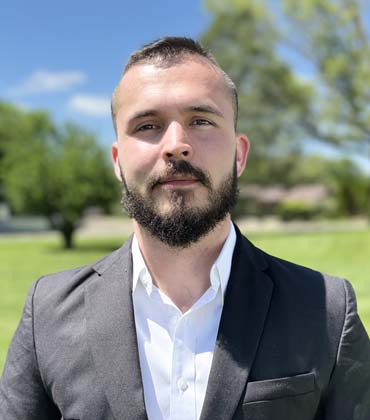
Johnathon Furtado
Beyond Policies: What Actually Builds Safety Culture
My experience in safety leadership has taught me that strong safety cultures are not built through policies alone. They are built through trust, consistency, and leadership credibility in the field. Employees quickly recognize whether safety is truly a value or simply a slogan. If leadership only discusses safety after incidents occur, the culture will always be reactive. In field operations, the strongest cultures are created when leaders are visible, expectations are clear, and employees feel respected enough to speak up. People closest to the work often see risks first, so creating an environment where concerns can be raised without fear is critical. I have found that when employees feel heard and supported, engagement rises and performance follows. Safety culture is also strengthened when accountability and fairness exist together. High standards matter, but how leaders respond to mistakes matters just as much. If every error is met with blame, people hide issues. If mistakes become learning opportunities while still maintaining accountability, organizations improve faster. My approach has always been that human performance drives business performance, and strong cultures are built one leadership interaction at a time. From Lagging Metrics to Leading Indicators: A Smarter Approach to Risk Several trends are significantly changing workplace safety and risk management across utility and infrastructure services. The first is the use of technology. Telematics, fleet cameras, mobile reporting tools, and predictive analytics are helping organizations identify trends earlier and make smarter decisions faster. The second is a greater focus on leading indicators rather than only lagging metrics. Traditionally, many companies measured safety by incidents after they happened. Today, stronger organizations are measuring coaching activity, observations, training readiness, hazard identification, and engagement levels to better predict future outcomes. The third is the growth of human performance principles. More organizations are recognizing that incidents are rarely caused by one person alone. They are often the result of system weaknesses, communication gaps, competing priorities, or operational pressures. This mindset allows leaders to improve systems rather than simply assigning blame.Culture follows frontline leadership. Employees are influenced less by corporate messaging and more by the daily actions of their direct supervisors.
The articles from these contributors are based on their personal expertise and viewpoints, and do not necessarily reflect the opinions of their employers or affiliated organizations.
