


Thank you for Subscribing to Electrical Business Review Weekly Brief

Colas USA
Victoria Hoyt, VP Health, Safety and Environment
Moving Safety from a Department to a Way of Operating
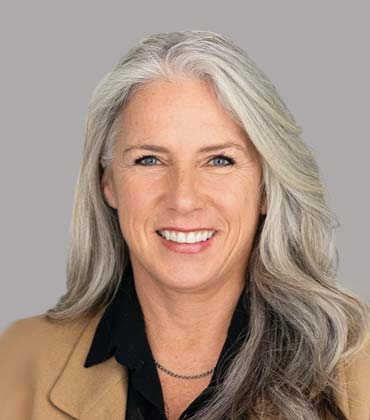
Victoria Hoyt
My understanding of safety and my approach to changing safety culture comes from two places: firsthand experience in the field and formal study in ethnography and industrial/ organizational psychology. Having worked on the ground and in the air as a bridge builder, I learned early that safety is not just a matter of rules, procedures or compliance. It reflects how an organization thinks, leads and learns.
Two problems continue to hold organizations back. First, many still judge safety performance mainly through lagging indicators such as recordable incidents and injury rates, even though regulators including OSHA emphasize the value of leading indicators that show whether hazards are being identified and controlled before someone gets hurt. Second, safety is often treated as a technical specialty sitting alongside operations rather than inside them. When that happens, safety becomes a separate function instead of a shared way of working. That separation creates a familiar and unproductive cycle. In many organizations, safety is managed at the middle-management level and seen as a necessary burden rather than as a core part of planning, executing work and continuous improvement. When an incident occurs, the instinct is often to look for the person closest to the event, assign blame and add another rule, form or tool. But quick fixes rarely last if they do not match the realities of the job. Over time, the new requirement fades, attention shifts elsewhere and the organization waits for the next event to trigger the same response again.If leaders are unwilling to examine how systems shape behavior or to treat mistakes as opportunities for learning instead of occasions for punishment, safety will remain stuck at the level of enforcement.
The articles from these contributors are based on their personal expertise and viewpoints, and do not necessarily reflect the opinions of their employers or affiliated organizations.
